DIY Mini Solar Tracker 8 Steps Circuit Diagram
DIY Mini Solar Tracker 8 Steps Circuit Diagram Blues provides an ecosystem of hardware and software to simplify wireless connectivity for IoT devices. Voltaic uses Blues' Notecard and Notecarrier in our battery health monitoring module for our solar powered systems and we have customers using our solar panels to power their IoT applications.. This is an introduction to create a simple, solar powered, cellular connected device. Smartwatches are an advanced version of fitness trackers providing much more than fitness tracking. See also: Wireless patient monitoring using IoT. 2) How is IoT used in fitness trackers? How do fitness trackers work? Wearable fitness trackers or activity trackers use IoT technology. Fitness trackers comprise of the following components:

Choosing the right components when designing a wearable device is essential for success. There are many factors to consider, such as battery life, power consumption, sensor accuracy, and network connection type. Make sure all components are reliable and compatible with each other so users have positive experiences with your product.
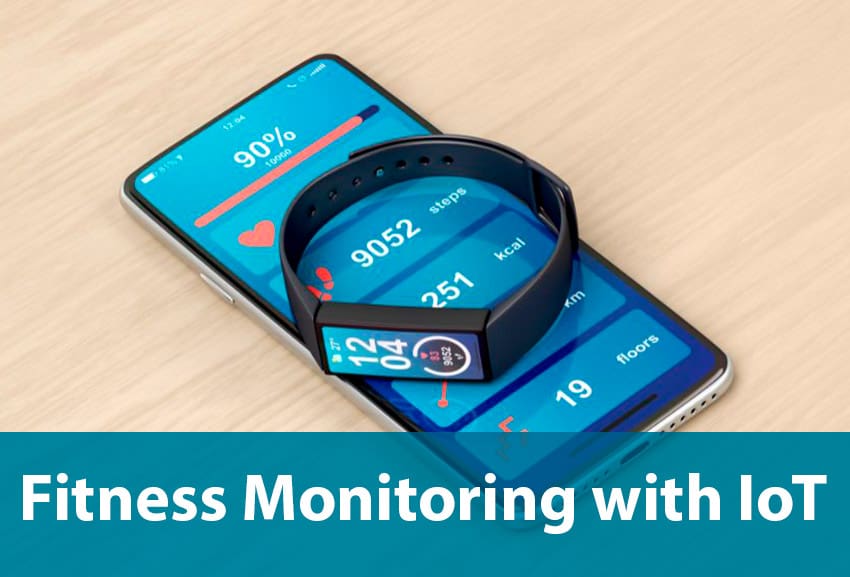
Wearable fitness trackers as an IoT application Circuit Diagram
Considering the continuing shift to digital fitness tools, devices like wearables or IoT-powered gym equipment are here to stay. There are several main segments in the smart fitness devices market: smartwatches, fitness trackers, smart clothing and shoes, smart exercise machines, and others. How IoT devices are changing the fitness industry.

Wearable fitness trackers have revolutionized personal health monitoring, making it easier to track physical activities, heart rate, and overall fitness goals. This guide provides a detailed step-by-step approach to creating a wearable fitness tracker using the ESP32, starting from component selection to programming and final assembly.
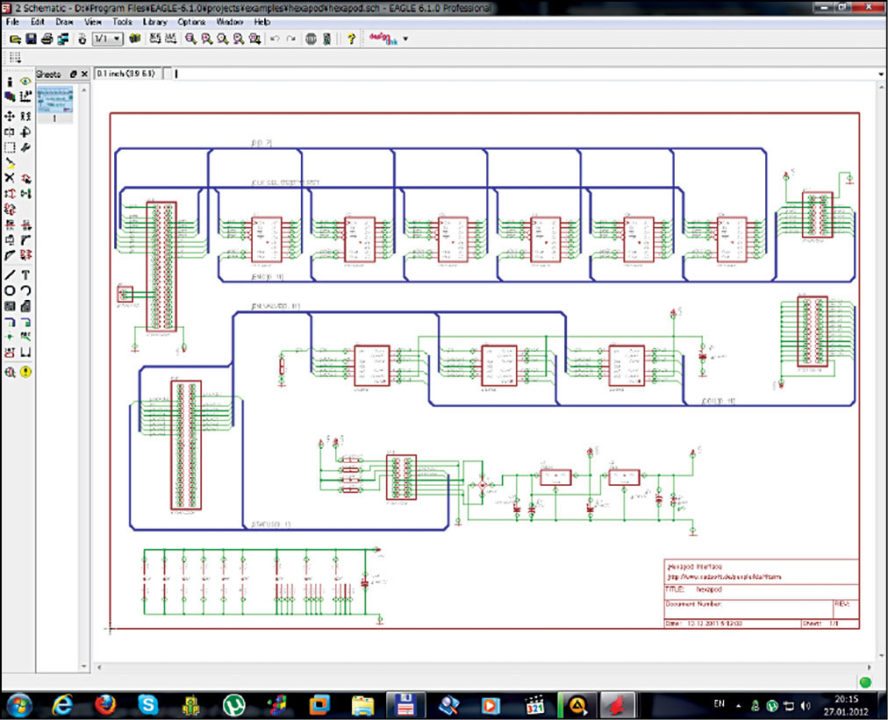
DIY Fitness Tracker (GET Circuit Diagram
Wearable devices powered by IoT (Internet of Things) have seen rapid adoption over the past decade.In 2023, the global wearable technology market was valued at approximately $61.30 billion and is expected to grow at a compound annual growth rate (CAGR) of 14.6% through 2030.These devices, ranging from fitness trackers to advanced medical equipment, are transforming how we monitor health and