Digital signal processor architecture Circuit Diagram
Digital signal processor architecture Circuit Diagram Digital Signal Processing • Signals generated via physical phenomenon are analog in that - Their amplitudes are defined over the range of real/complex numbers - Their domains are continuous in time or space. • Processing analog signal requires dedicated,special hardware. • Digital signal processing concerns processing signals using
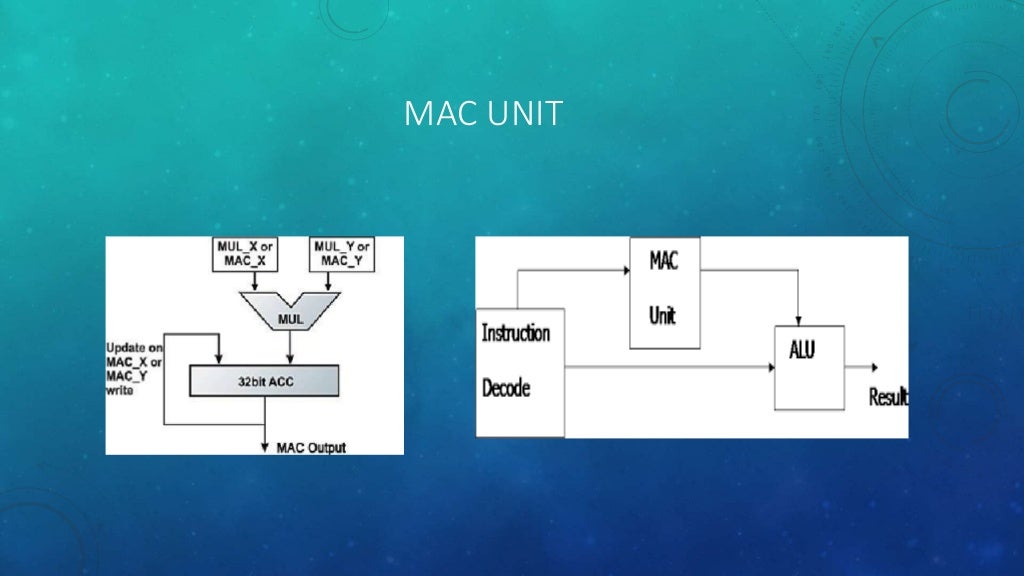
consider when evaluating analog versus digital filters. Most modern signal processing systems use a combination of analog and digital techniques in order to accomplish the desired function and take advantage of the best of both the analog and the digital world. Figure 6.2 There are many applications where digital filters must operate in real
A Beginner's Guide to Digital Signal Processing (DSP) Circuit Diagram
system design flow is described; commo n difficulties, problems and choices faced by DSP developers are outlined; and hints are given on the best solution. 1 Introduction 1.1 Overview Digital Signal Processors (DSPs) are microprocessors with the following characteristics: a) Real-time digital signal processing capabilities.

Designing a digital signal processor (DSP) involves a blend of hardware and software design to create a system that can process real-world signals, such as audio, video, or sensor data, in real-time. DSP design is crucial across applications like telecommunications, audio processing, radar systems, and medical devices.
PDF Design and Implementation of Signal Processing Systems: An Introduction Circuit Diagram
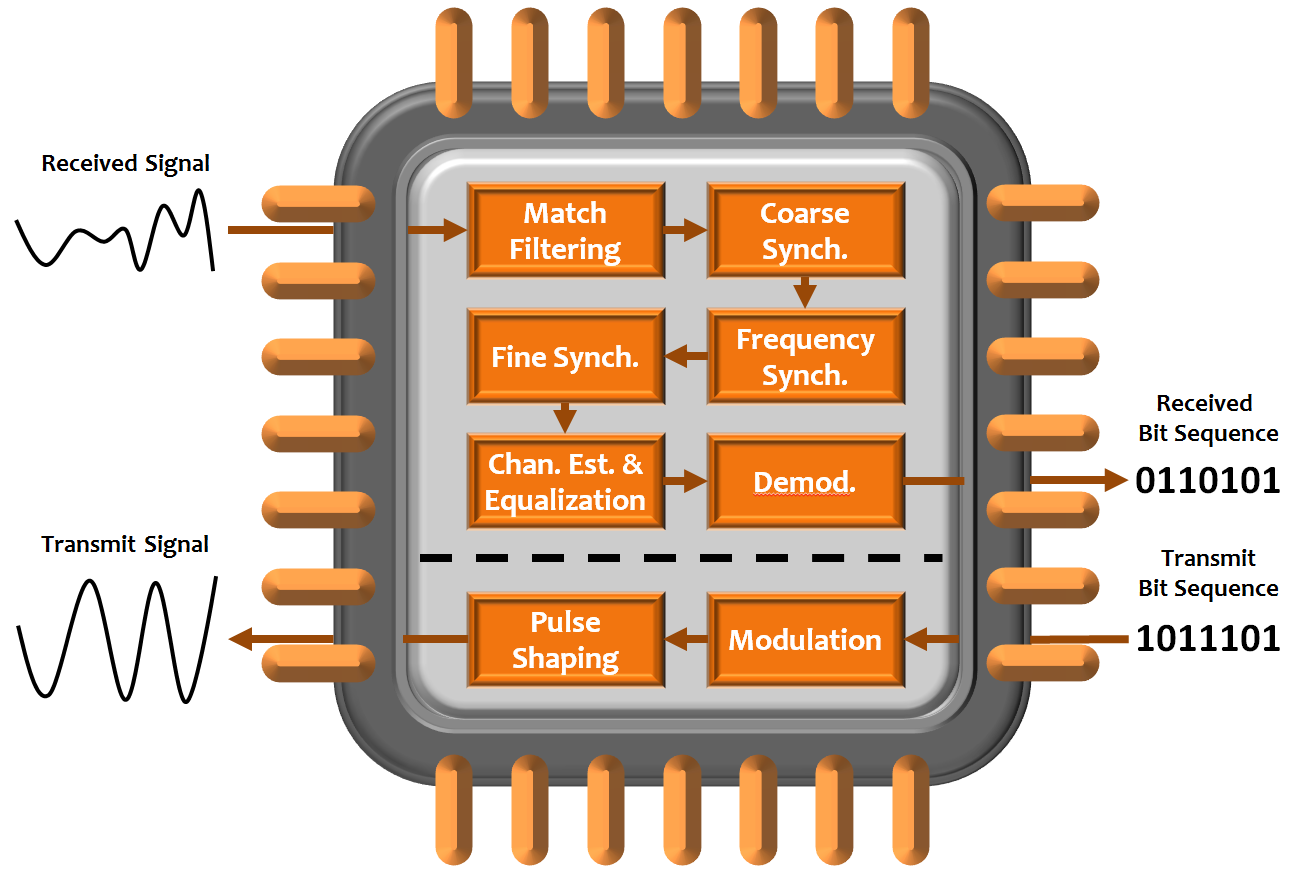
Digital signal processing (DSP) involves developing algorithms that can be used to enhance a signal in a particular way or extract some useful information from it. Analog Signal Processing. Perhaps the simplest analog signal processing example is the familiar RC circuit shown in Figure 1. Figure 1. This circuit acts as a low-pass filter. Design core components of a microprocessor or microcontroller or implement digital signal processing circuits like FFTs, filters, and DSP algorithms. Build communication systems like modems, encoders, and decoders. Create image and video processing circuits, like implementing image and video compression, filtering, or enhancement algorithms.
